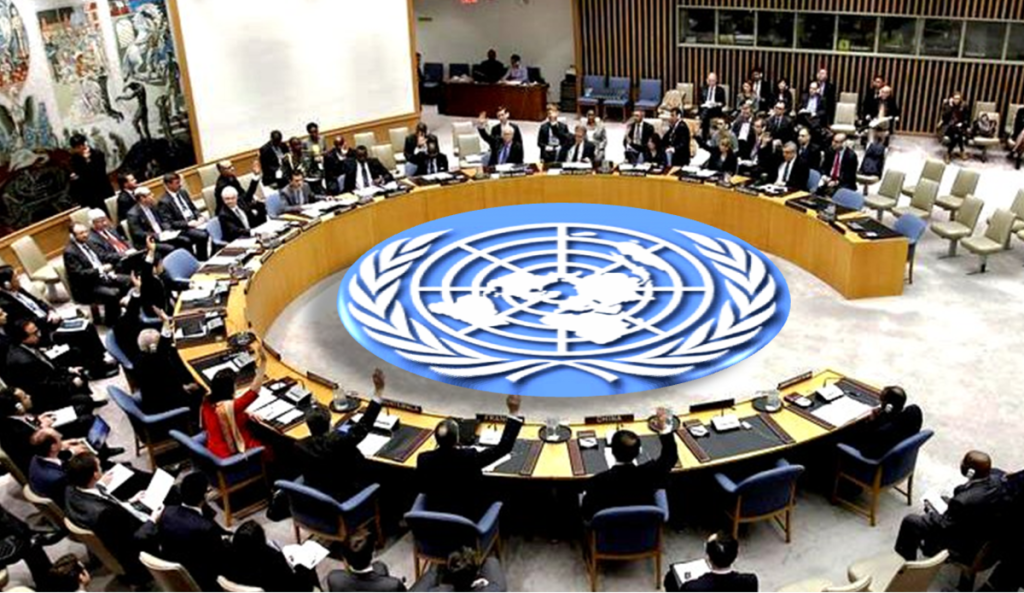

The United Nations Charter enshrines territorial integrity as a cornerstone of international law . Yet, the international community’s contrasting responses to Russia’s invasion of Ukraine (2022–present) and Rwanda’s destabilisation of the Democratic Republic of Congo (DRC, 1994–present) reveal systemic biases shaped by geopolitical interests and historical hierarchies. This paper argues that Western powers and UN mechanisms prioritise Euro-Atlantic security over African sovereignty, perpetuating a colonial-era world order that undermines the credibility of international institutions and exacerbates humanitarian crises in Africa and elsewhere.
Condemnation vs. Complicity
The international legal response to conflicts in Ukraine and the DRC demonstrates a stark contrast in approach and urgency.
The UN General Assembly swiftly adopted Resolution ES11/1 on 2 March 2022, condemning Russia’s invasion with an overwhelming majority of 141 votes . This resolution demanded immediate withdrawal of Russian forces and reaffirmed Ukraine’s sovereignty. Furthermore, the International Criminal Court (ICC) took unprecedented action by issuing arrest warrants for Vladimir Putin and Maria Lvov-Belova on 17 March 2023, citing the war crime of unlawful deportation of children.
By comparison, the UN Security Council’s response to the ongoing conflict in the DRC has been noticeably indifferent. Resolution 2688, adopted in June 2024, condemned atrocities by the M23 rebel group but conspicuously avoided naming Rwanda, despite substantial evidence from the UN Group of Experts documenting the presence of 3,000–4,000 Rwandan troops in eastern DRC. The European Union’s approach has been equally cautious, with statements calling for “dialogue” between the DRC and Rwanda, effectively equating the aggressor with the victim .
This disparity in legal responses underscores a troubling trend where international law is vigorously applied against adversaries in Europe but diluted when addressing African conflicts, ostensibly to preserve diplomatic relationships and economic interests.
Sanctions: Economic interests over Justice
The application of economic sanctions further illustrates the international community’s inconsistent approach to conflict resolution.
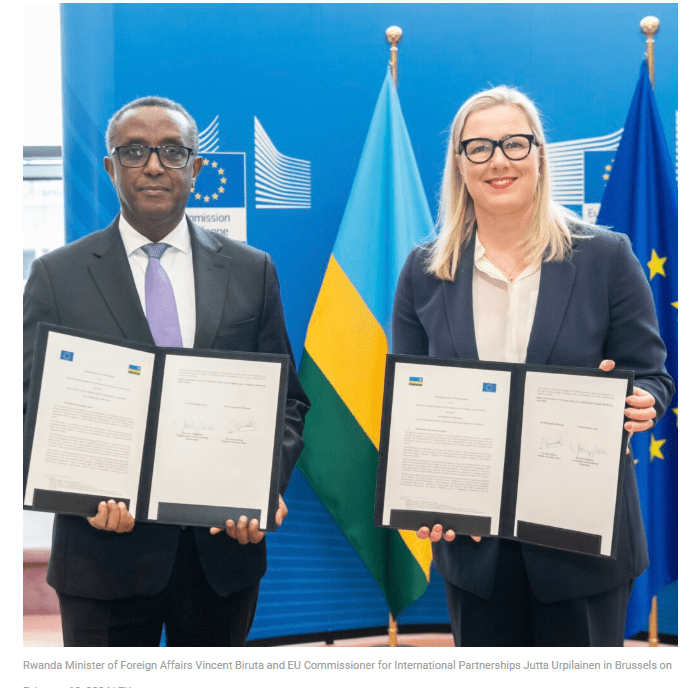
The EU’s robust sanctions against Russia, including the absorption of significant economic costs to reduce energy dependence, stand in sharp contrast to its approach towards Rwanda. Despite clear evidence of Rwanda’s involvement in the DRC conflict and its exploitation of conflict minerals, the EU not only failed to impose comprehensive sanctions but also deepened its economic ties with Rwanda through a €20 billion minerals deal in 2023. Despite public condemnations from European leaders regarding Rwanda’s, substantial aid flows to the country have remained uninterrupted, underscoring the gap between rhetorical criticism and tangible action in addressing African conflicts.
This discrepancy is further highlighted by the enforcement mechanisms put in place. While the EU implemented strict anticircumvention laws to prevent Russian sanctions evasion, it has taken minimal action to address the flow of conflict minerals from the DRC through Rwanda. The 62% increase in Rwanda’s gold exports in 2023, primarily laundered through the UAE, underscores the lack of effective enforcement.
Humanitarian prioritisation: Racialised compassion
The disparity in humanitarian responses to the crises in Ukraine and the DRC reveals a troubling pattern of prioritisation based on geopolitical interests and, arguably, racial bias.
The 2025 UN-Ukraine Humanitarian Plan secured an impressive $2.2 billion in aid, with 89% of pledges fulfilled primarily by EU and NATO member states. Western media extensively covered Russian attacks on Ukrainian infrastructure, prompting rapid and substantial medical aid from the World Health Organisation and other international bodies.
Conversely, the humanitarian crisis in the DRC, despite its severity and longevity, has received significantly less attention and support. As of 2024, 7.2 million people were displaced due to M23’s escalation, with the UN warning of “apocalyptic” food shortages affecting 23 million individuals. Despite these dire circumstances, only 23% of the 2024 Humanitarian Response Plan, which appealed for $2.3 billion, was funded. France, a key European power, contributed a mere €12 million, highlighting the disparity in international commitment.
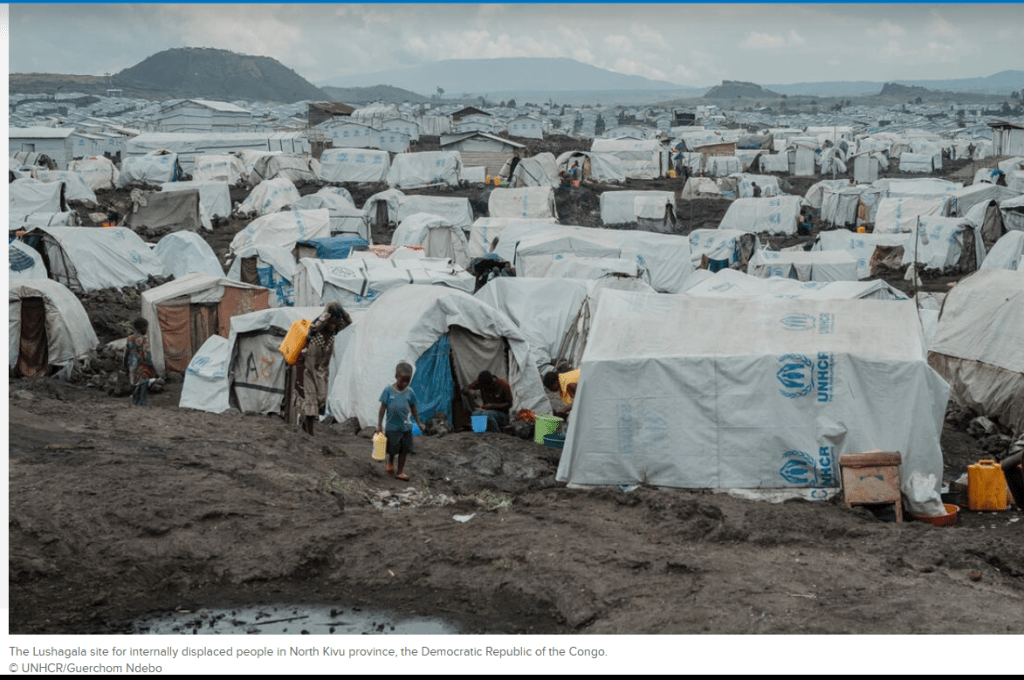
This shapr disparity in humanitarian response underscores a troubling reality of international aid distribution. As UN Humanitarian Coordinator Bruno Lemarquis poignantly stated in May 2024, “The DRC crisis is a moral litmus test the world is failing”. The discrepancy in media coverage, funding, and overall international engagement between these two crises reflects deeply entrenched biases in global crisis response mechanisms.
Root Causes: Colonial Legacies and Power Imbalances
The disparate treatment of the Ukraine and DRC conflicts is rooted in historical power structures and contemporary geopolitical interests: The absence of a permanent African seat on the UN Security Council perpetuates a power imbalance. Rwanda’s 2024–2025 term as a non-permanent member effectively shielded it from scrutiny, highlighting the systemic flaws in UN governance.
The EU’s continued reliance on DRC’s mineral wealth, particularly cobalt (crucial for the green energy transition), perpetuates a neocolonial economic relationship. With 70% of the world’s cobalt mined in the DRC, often under the control of militias backed by external powers like Rwanda, the international community’s muted response to the conflict is inextricably linked to resource interests.
Media narratives biases
Similarly, the media narratives surrounding these two conflicts reveal striking biases. A close observation of Western media coverage reveals a stark contrast in framing: Most of articles describe the Ukraine conflict as “unprovoked aggression,” while ignoring the dramatic situation in Eastern DRC. The inconsistent international response to these conflicts has far reaching consequences: The perceived double standard has led to growing disillusionment among Global South nations, evidenced by 17 African countries abstaining from the 2024 UN resolution on Ukraine . The lack of robust international action against Rwanda’s involvement in the DRC has emboldened proxy forces, leading to increased violence and humanitarian crises.
Furthermore, it is worth highlighting that Rwanda’s significant contribution to UN peacekeeping efforts underscores its strategic importance to Western alliances. As of 2023, Rwanda is among the top troop-contributing countries to UN peacekeeping missions, providing the fifth-highest number of peacekeepers globally. This substantial commitment not only highlights Rwanda’s role in maintaining international peace and security but also underscores its value as a partner for Western nations seeking to stabilise regions through multilateral interventions.
To address these issues, this paper proposes the following recommendations:
-The UN Reform must take a proactive step to implement mechanisms that limit veto power in cases involving genocide or mass atrocities.
-The necessity of United Nations (UN) reform has become increasingly evident due to the organisation’s struggle to address contemporary global challenges effectively. The Ezulwini Consensus, adopted by the African Union in 2005, highlights Africa’s demand for permanent representation on the Security Council, advocating for two permanent seats with veto power and five non-permanent seats for African states. This consensus underscores the need for equitable representation in global governance, ensuring that historically marginalised regions have a stronger voice in international peace and security decisions.
-The International Community must develop and consistently apply a universal framework for sanctions in response to territorial violations, regardless of the geographic location or strategic importance of the parties involved.
-The European Union must strengthen and rigorously enforce the EU’s 2025 Critical Raw Materials Act, mandating comprehensive supply chain audits for companies sourcing minerals from conflict-affected areas. such as the Eastern DRC
Conclusion
The clear disparityin international responses to the conflicts in Ukraine and the DRC exposes a global order where the application of international law and humanitarian principles is contingent upon geopolitical interests rather than agreed universal values. Until the international community addresses these systemic biases and prioritises Global South agency over extractive interests, the UN Charter’s promise of sovereign equality will remain unfulfilled. The path forward requires a fundamental re-evaluation of global governance structures and a commitment to consistent, principled responses to conflicts worldwide.


 The world affairs review
Leave a reply to Brice Nitcheu Cancel reply